
The City That Never Stops
Karachi City Tour
From grand colonial landmarks to vibrant bazaars and breezy beaches, dive into the pulse of the "City of Lights"
Karachi Guided City Tours
Our Karachi City & Historical Tours are thoughtfully curated to showcase the true spirit of Pakistan's largest metropolis, from beach sunsets to colonial architecture and vibrant markets.

1 Day: Historical Downtown Karachi and Masjid-e-Tooba Tour
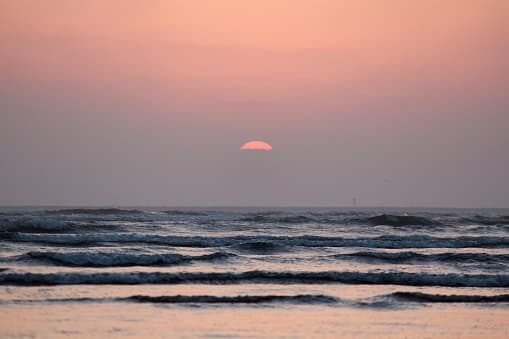
1 Day: Karachi Coastline and Clifton Beach Sunset Ceremony
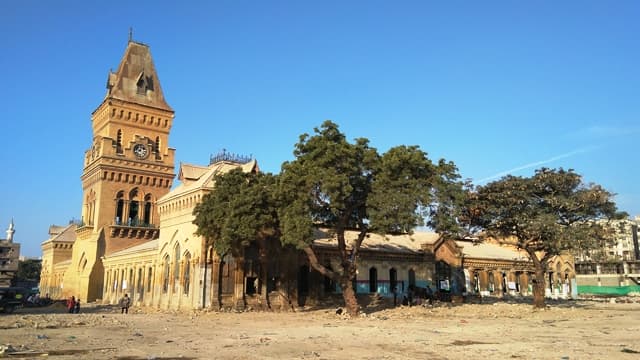
1 Day: Empress Market Heritage Walk and Colonial Architecture Tour
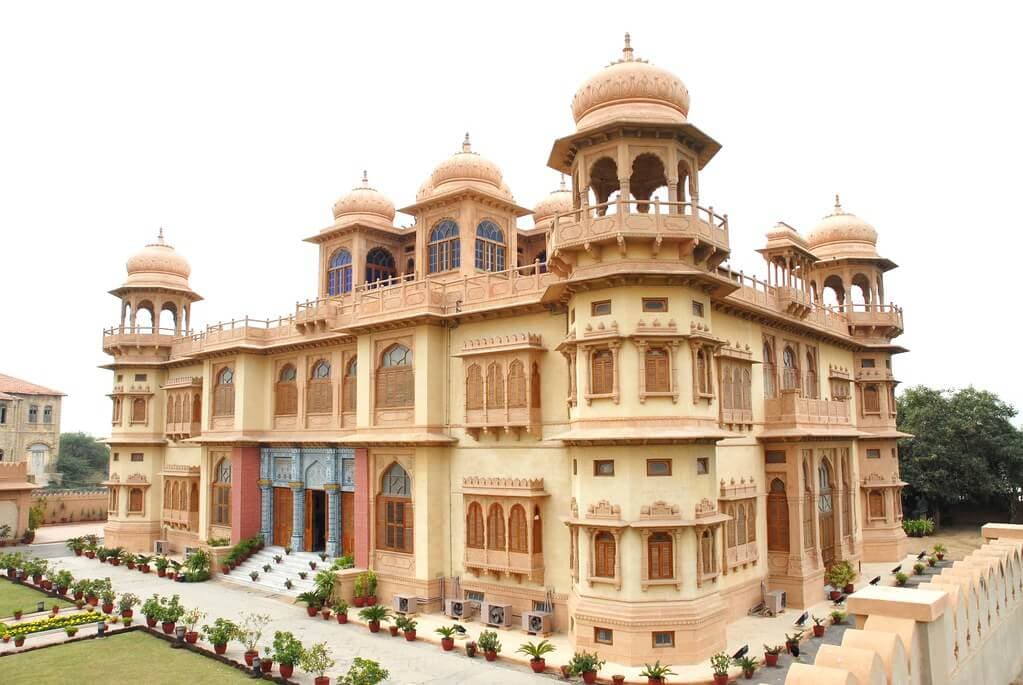
British Colonial Architecture Karachi City Tour Package

Modern Day Karachi City Tour & Shopping District Tour

1 Day: Bahria Adventure Land & DanZoo Wildlife Experience
Top Attractions to Visit in Karachi City
We have compiled a list of the most prominent and famous places to visit in Karachi. Our city tours are structured to ensure you see all the best sites:
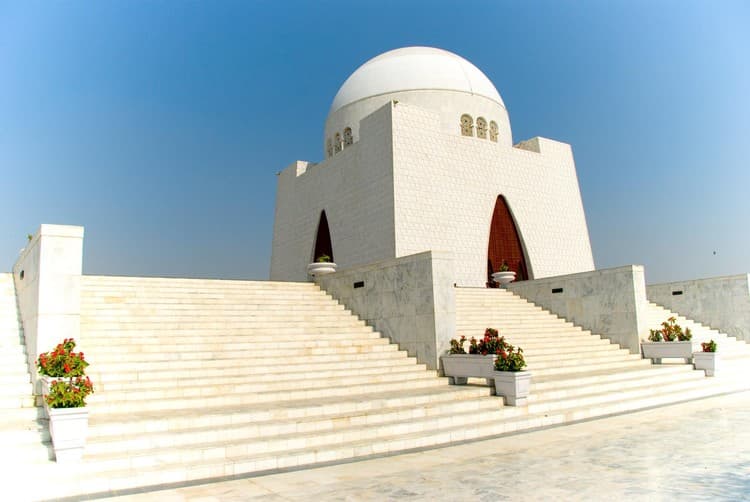
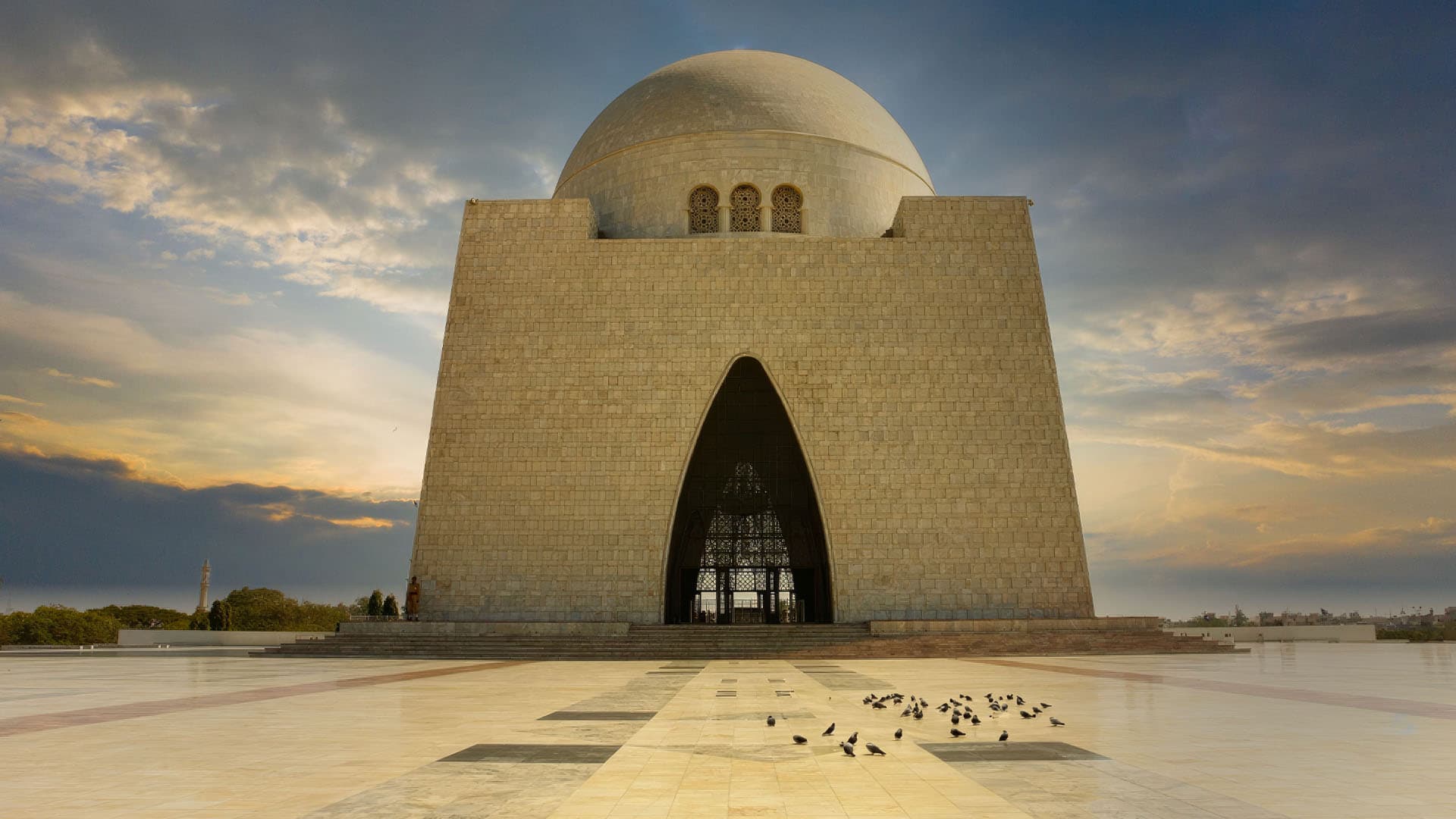
Quaid-e-Azam's Mausoleum (Mazar-e-Quaid)
The Mazar-e-Quaid is the final resting place of Muhammad Ali Jinnah, the founder of Pakistan. This iconic white marble structure is a symbol of national identity and a key site for visitors. The mausoleum is surrounded by a large garden and serves as a place of quiet reflection and national pride.
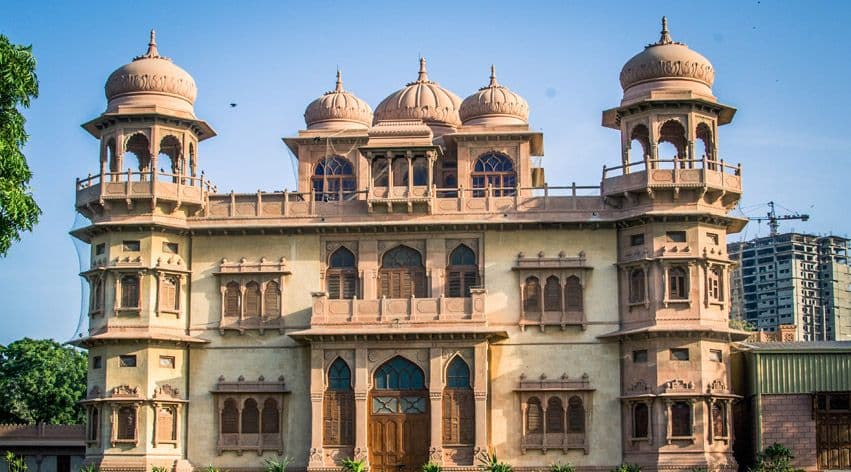
Mohatta Palace
The Mohatta Palace is a stunning red sandstone and marble building constructed in 1927 by Shivratan Chandraratan Mohatta, a Hindu businessman. It was designed in the traditional stone palace style of Rajasthan and showcases Indo Saracenic architecture. Today, it serves as an arts museum, preserving the cultural heritage of Pakistan.
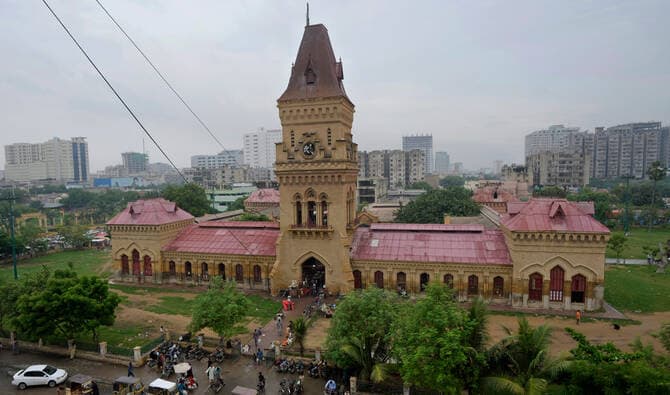
Empress Market
Empress Market is a huge, historic colonial era structure built during the British Raj in 1889. Located in the bustling Saddar Town, it is one of the busiest and oldest markets in the city. It remains a central marketplace today, selling everything from groceries and pets to textiles and household goods.
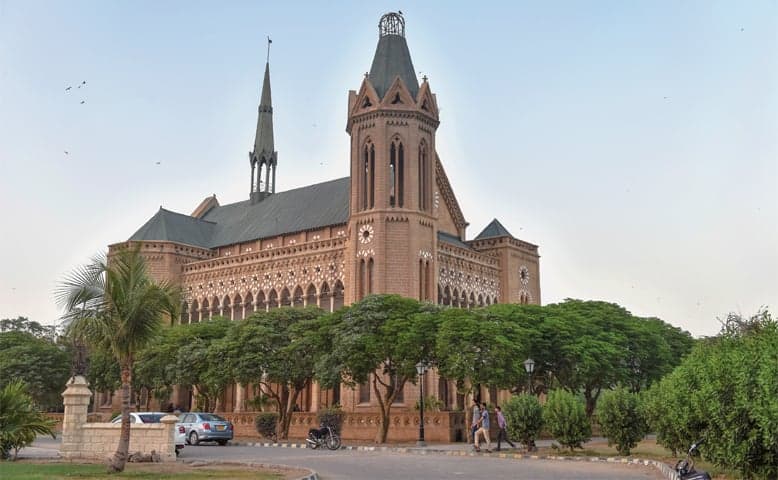
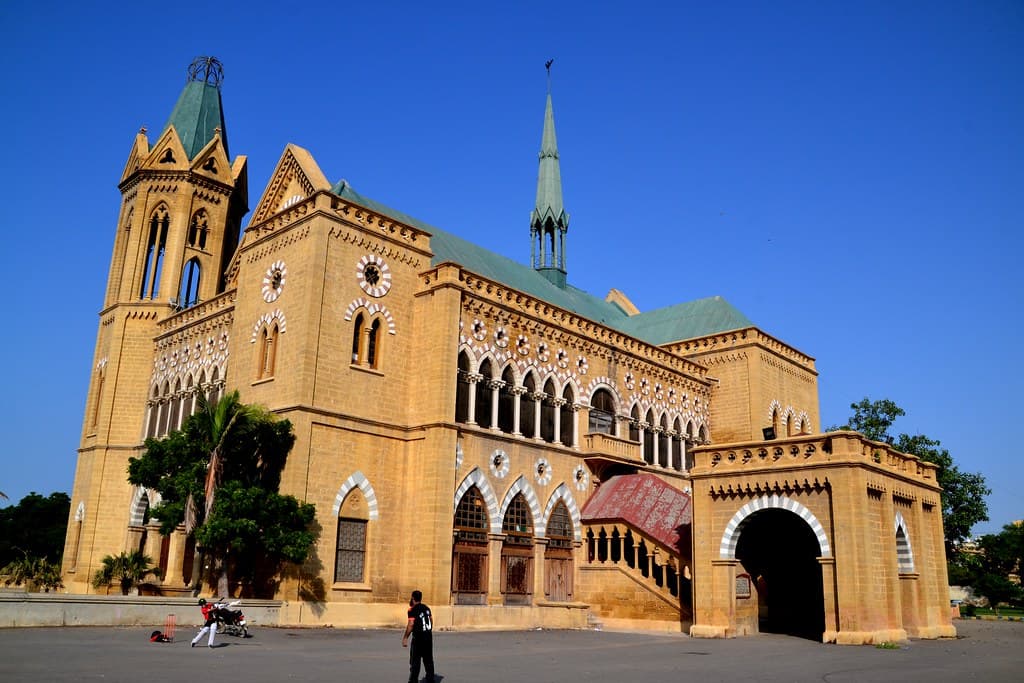
Frere Hall
Frere Hall is a beautiful Venetian Gothic style building completed in 1865 in honor of Sir Bartle Frere, a former Governor of Bombay. It is famous for its architecture and the 19th century Sadequain murals that decorate its ceiling. The building is surrounded by Jinnah Gardens (Bagh-e-Jinnah) and is a key landmark of British colonial architecture.
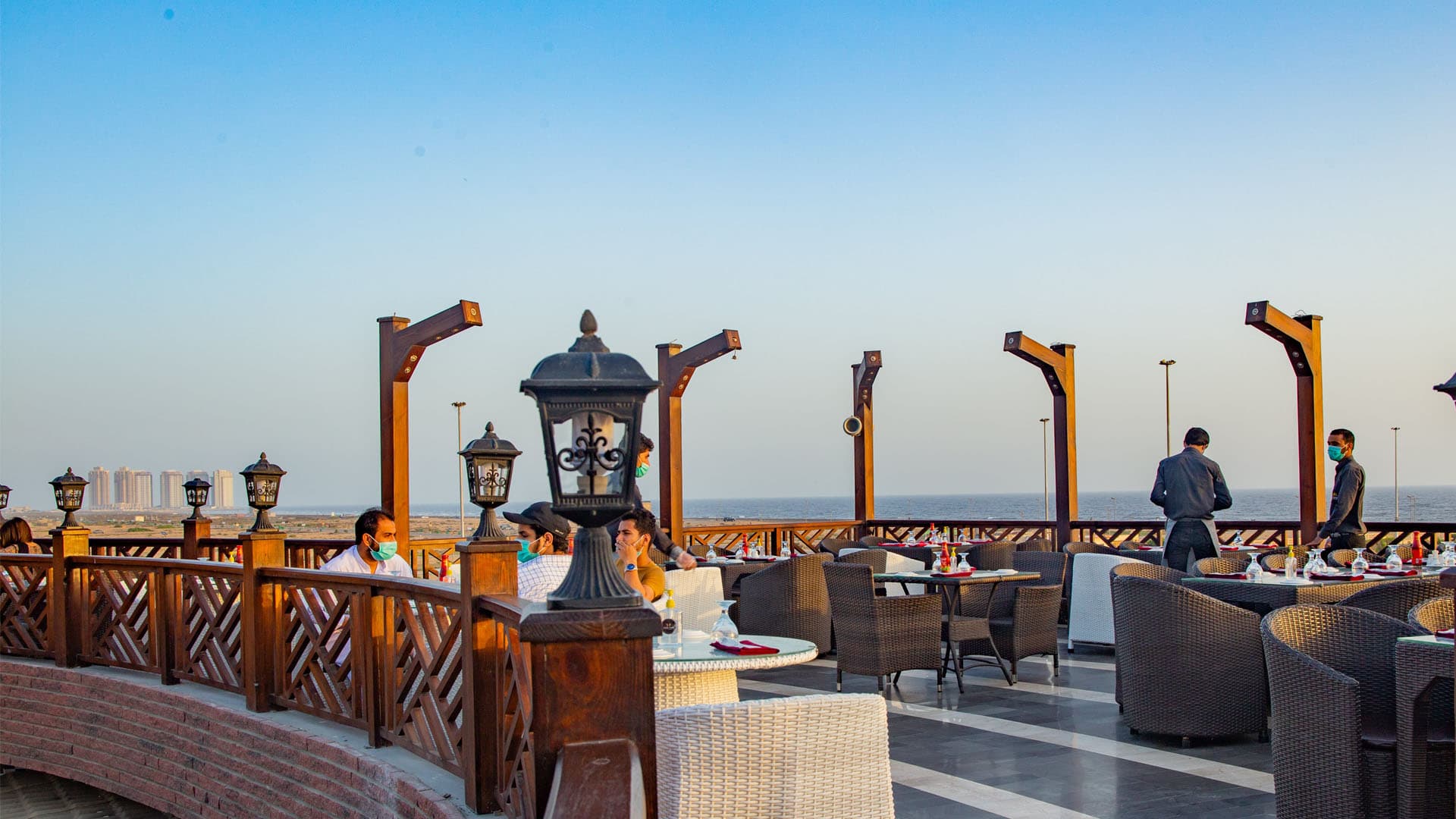
Clifton Beach and Clifton Clock Tower
Clifton Beach (also known as Sea View) is the most popular beach destination, offering a wide stretch of sand along the Arabian Sea. It's a hub of activity where families and tourists enjoy camel and buggy rides, food stalls, and ocean breezes. The nearby Clifton Clock Tower is a recognizable modern landmark and a popular photo spot.
.jpg&w=3840&q=75)
Masjid-e-Tooba (Tooba Mosque)
Also known as the Gol Masjid (Round Mosque), this is one of Karachi's architectural marvels, built in 1969. It is famous for having the world's largest single dome mosque without any central pillars. The pure white marble structure is a beautiful, serene site for prayer and visitation.

State Bank of Pakistan Museum
The State Bank Museum is housed in a grand colonial era building and preserves Pakistan's financial and monetary history. It showcases a vast collection of currencies, coins, and art, offering a fascinating look at the region's economic past. The museum is a great place to explore the history of money and banking in South Asia.
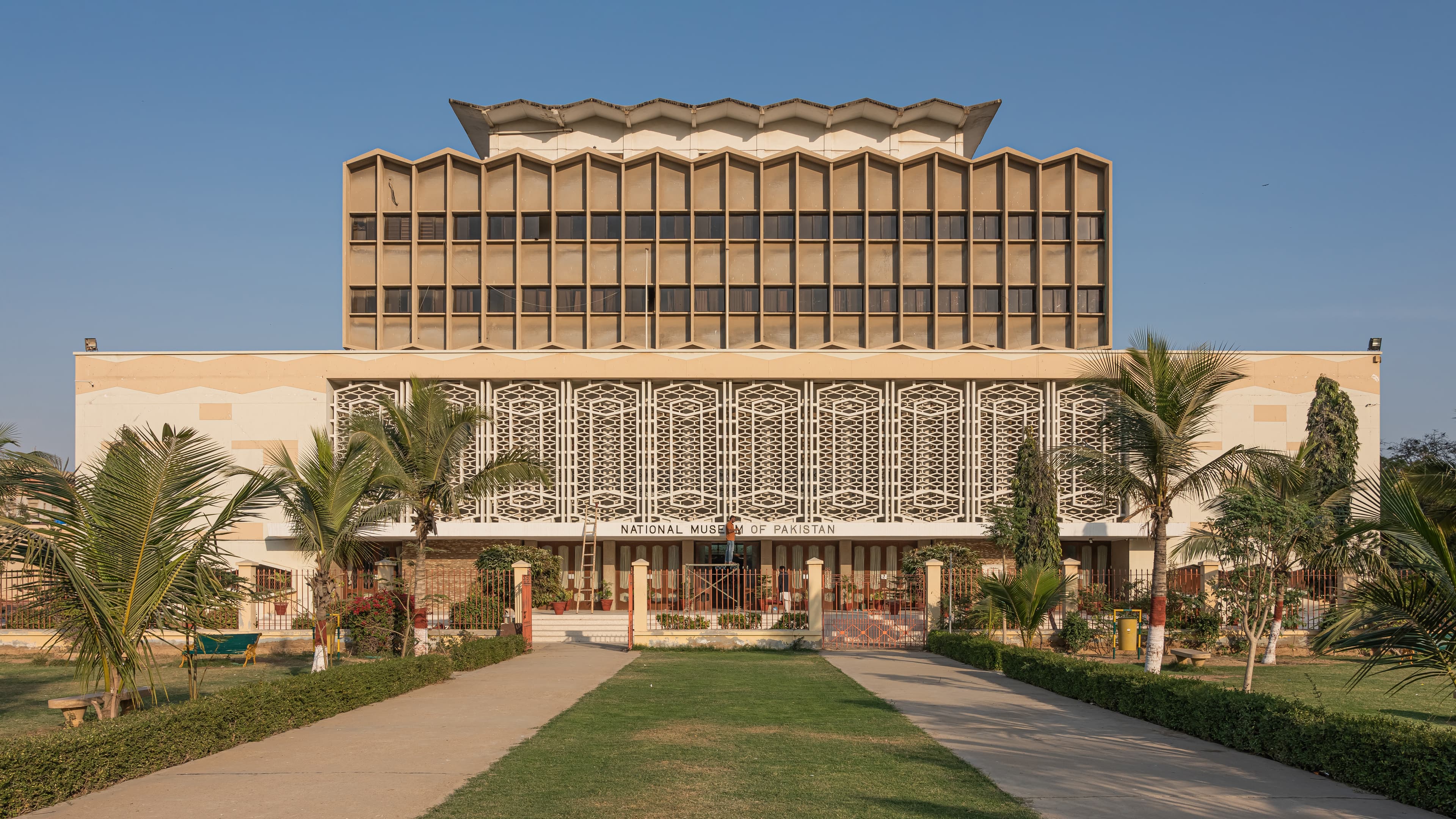
National Museum of Pakistan
Located on Burns Garden, the museum displays diverse collections ranging from ancient artifacts to documents of Pakistan's independence. Key exhibits include relics from the Indus Valley Civilization, Gandhara art, and Islamic art. It provides a comprehensive historical narrative of the land and its people.
%20Museum.jpg&w=3840&q=75)
Pakistan Air Force (PAF) Museum
The PAF Museum is a popular family attraction showcasing the history of the Pakistan Air Force. It features various aircraft, including fighter jets and bombers, displayed in parks and hangars. It's a great place for aviation enthusiasts and for a fun outdoor visit.
.jpg&w=3840&q=75)
Turtle Beaches (Hawkesbay and Sandspit)
The beaches west of the city, especially Hawkesbay and Sandspit, are famous for being nesting grounds for Green and Olive Ridley turtles. These quieter beaches are popular for cottages (huts) and offer a peaceful escape from the city bustle. Visiting during the nesting season is a memorable experience.
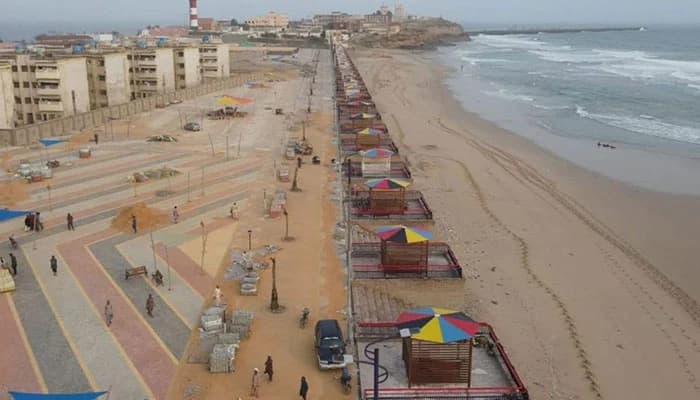
Manora Island and Port
Manora Island is located south of the Karachi Port and offers beautiful views of the city skyline and harbor. It is home to a historic lighthouse, the 17th century fort remnants, and a naval base. Access involves crossing the long Manora bridge or taking a boat ride from the main harbor.
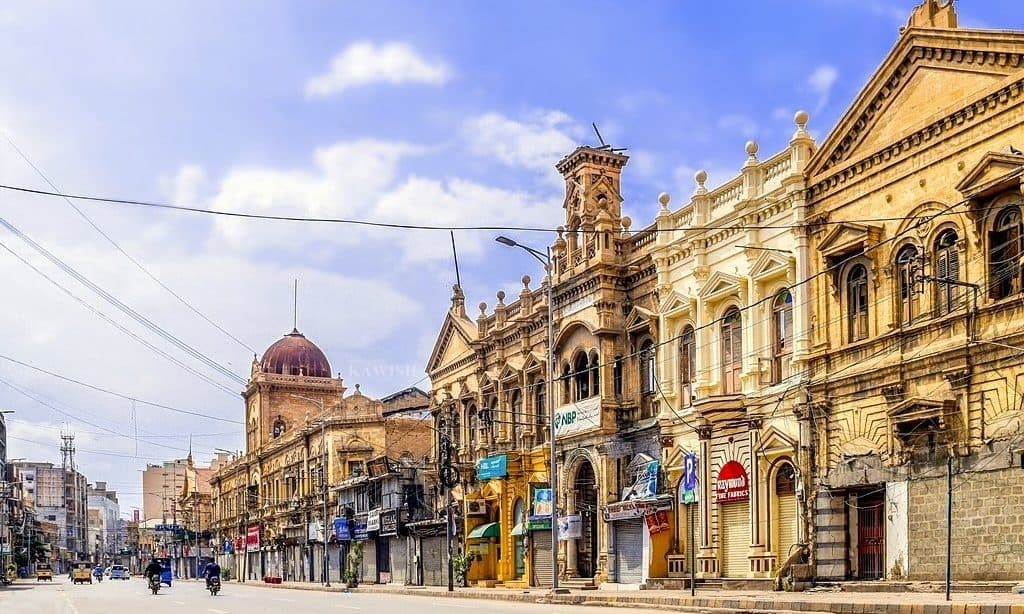
Bohri Bazaar and Zaibunnisa Street
These areas represent the heart of Karachi's vibrant, chaotic and diverse shopping culture. Bohri Bazaar is famous for traditional clothing, jewelry, and household goods. Zaibunnisa Street (Elphinstone Street) offers a mix of modern and traditional shops, reflecting the city's energy.
More About Karachi City
Karachi, established as a small fishing village centuries ago, rapidly transformed into a modern metropolitan area under the British Raj and became the first capital of Pakistan. Known today as the nation's economic powerhouse, Karachi is a resilient city built on trade, dreams, and diversity. Its history is a blend of ancient fishing communities, colonial development and the arrival of millions of settlers following Pakistan's independence. This resilient port city continues to grow, maintaining a fascinating mix of historical buildings, massive markets, and a unique coastal culture.
Historical Names of Karachi City
Karachi's name has evolved over time, reflecting its early identity as a fishing and trading spot:
Kolachi-jo-Goth (Village of Kolachi, after a local fisherwoman)
Kolachi
Karak (possibly from an old name for the port)
Kharak Bandar
Rulers and Dynasties That Ruled Over Karachi
Karachi's history is defined by a succession of local and foreign powers:
Local Tribes: The early history involved local Sindhi tribes, primarily the Kalaris and Jokhio clans, who maintained the small fishing settlement.
Talpur Dynasty (Sindh): In the 18th century, the Talpur rulers built a fort in the area, recognizing its trade importance.
British Colonial Rule (1839): The British seized control of Karachi, recognizing its strategic harbor potential. They dramatically transformed it into a major port city, constructing the splendid Victorian style Colonial Architecture that defines the historical center today.
The Post Independence Era (1947): After Pakistan's creation, Karachi served as the capital and witnessed a massive influx of migrants, which propelled its growth into the diverse, bustling metropolis it is today.
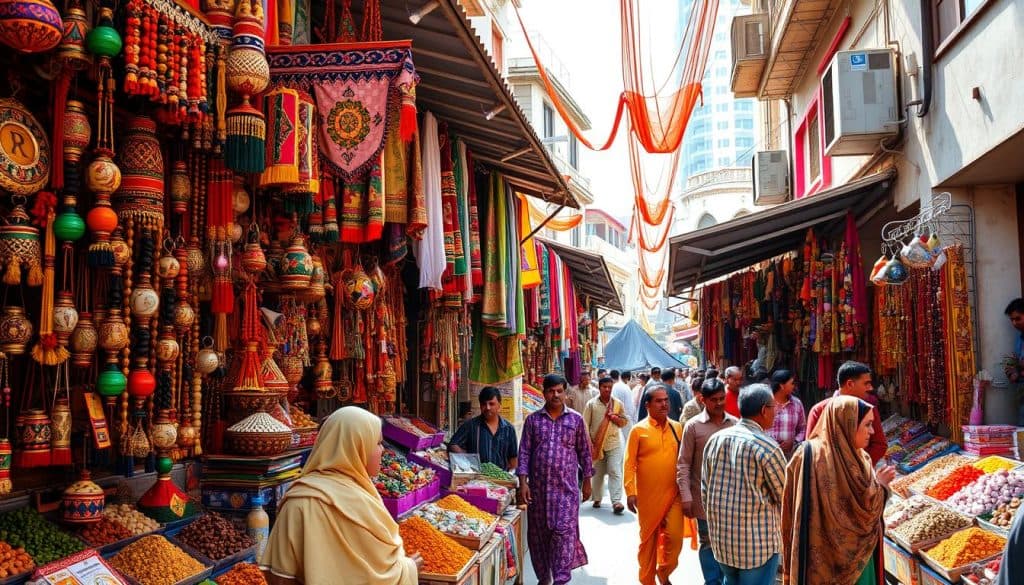
The Colorful Bazaars of Karachi City
Karachi is home to some of Pakistan's largest, most chaotic, and diverse markets. Exploring these vibrant bazaars is the best way to experience the city's commercial energy and the true spirit of its people. They range from vast, traditional wholesale markets to modern shopping districts:
Empress Market (Saddar): The historical heart of the city's trade.
Bohri Bazaar: Famous for traditional textiles, jewelry, and household goods.
Zainab Market: Popular for clothing, leather goods, and handicrafts, catering often to tourists.
Tariq Road: A modern shopping hub known for bridal wear and latest fashion.
Clifton/Do Darya: Features upscale shopping areas and dining experiences.
A Karachi Walking Tour or a Rickshaw Tour through these markets is the best way to witness the sheer volume and variety of goods traded in the city.
Karachi's Food Streets and Vibrant Culture
A trip to Karachi is incomplete without diving into its incredible street food and diverse dining scene:
Burns Road Food Street:
The oldest and most famous food street, offering classic Karachi dishes like Biryani, Nihari, Paaye and the famous Bun Kebab. It is the place for an authentic Androon Karachi Food Tour.
Hussainabad Food Street:
Another popular hub known for barbecue, grilled meats and local snacks.
Do Darya (Clifton/Seaview):
Offers a unique, upscale dining experience with restaurants built on piers extending over the Arabian Sea perfect for a Seafood and Sunset Tour.
Our Karachi Food Street Tour will guide you to the best spots to sample the city's complex, flavorful cuisine.
Guided Karachi Tour Packages / Karachi City Tour
Old Karachi Historical Tour | Karachi City Tour
British Colonial Architecture Karachi City Tour | Karachi City Tour
Coastal and Beach Exploration Tour | Karachi City Tour
Sufi Heritage and Shrine Tour | Karachi City Tour
Karachi Street Food Tour | Karachi City Tour
Androon Karachi Food Tour (Burns Road Special) | Karachi City Tour
Karachi Bus Tour (City Highlights) | Karachi City Tour
Walking Karachi City Tour | Karachi City Tour
Frequently Asked Questions
Ready for an unforgettable tour!