
Lahore City Tour
Discover the Heart of Pakistan
Walk through the 1,000 year old gates of the Walled City and feel the energy of Wagah Border your journey into the heart of Punjab begins here
Lahore Guided City Tours
Our Lahore City & Walled City Guided Tours are thoughtfully designed to reveal the true soul of the old city through immersive cultural and historical experiences.
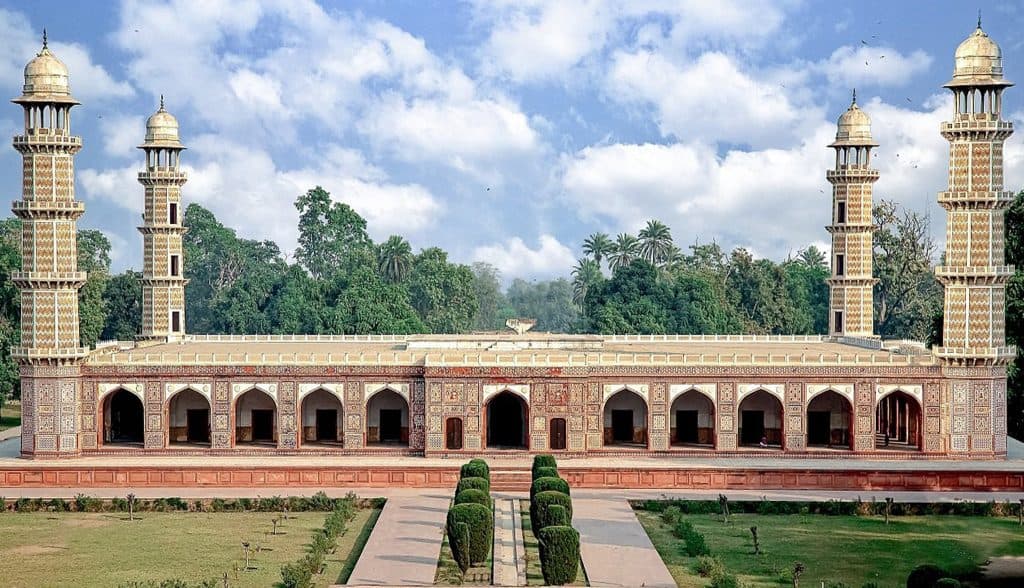
1 Day Walking Tour of Mughal and Sikh Era Walled City of Lahore

1 Day Lahore Guided Walled City Tour and Wahga Border Flag Raising Ceremony
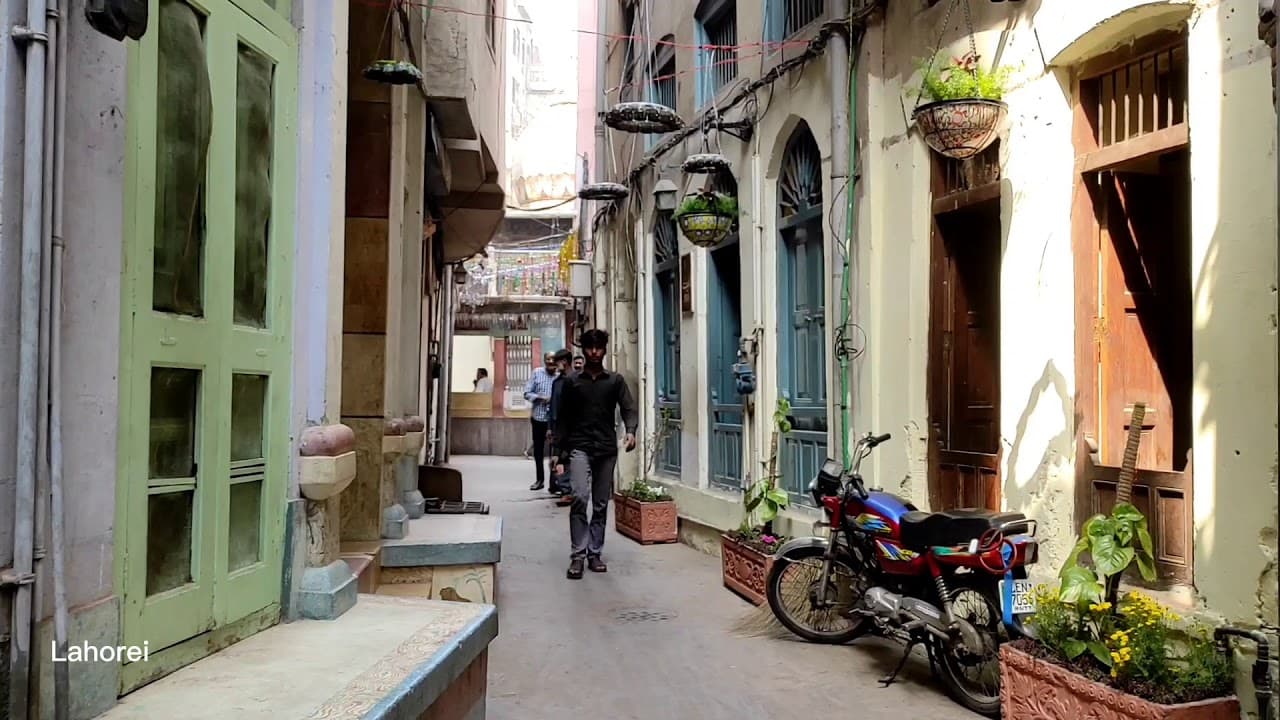
1 Day Heritage Walk Through the Royal Route and Old Streets of Walled City Lahore
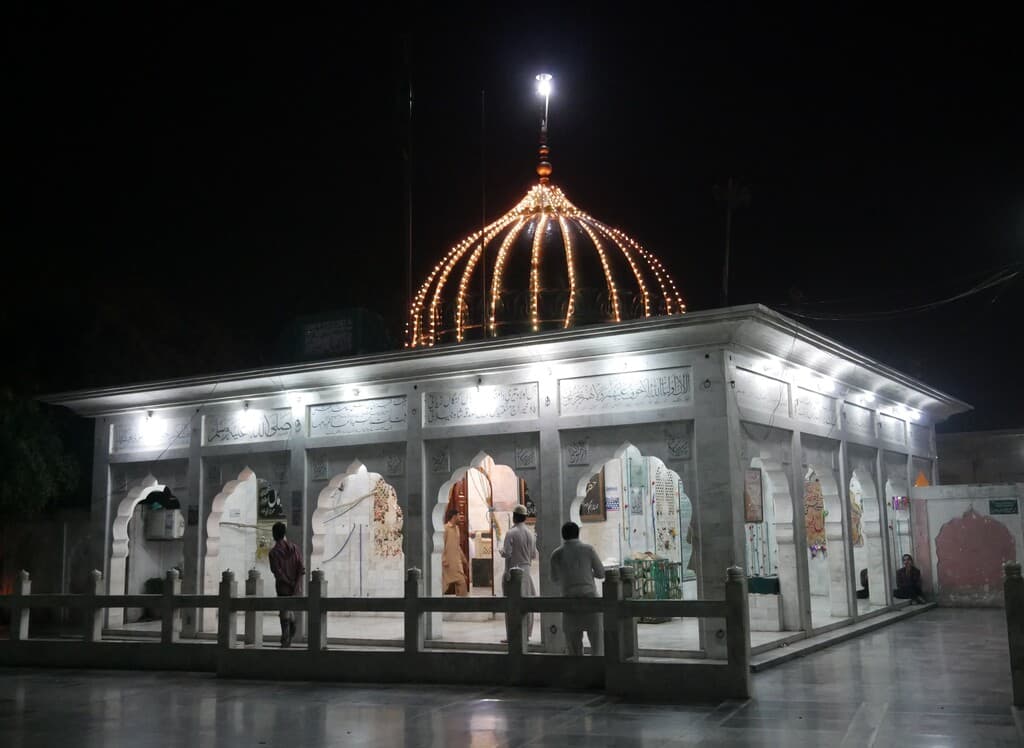
Sufi Heritage Lahore City Tour Package

British Colonial Architecture Lahore City Tour Package

Modern Day Lahore City Tour Package
Top Places to Visit in Lahore
We have compiled a list of the most prominent and famous places to visit in Lahore. Our city tours are structured to ensure you see all the best sites:
.jpeg&w=3840&q=75)
Lahore Fort (Shahi Qila)
A UNESCO World Heritage Site and the crown jewel of Mughal Lahore. Explore the stunning Sheesh Mahal, the magnificent Picture Wall, and the grand Alamgiri Gate. The fort holds centuries of history within its royal chambers and ancient walls.
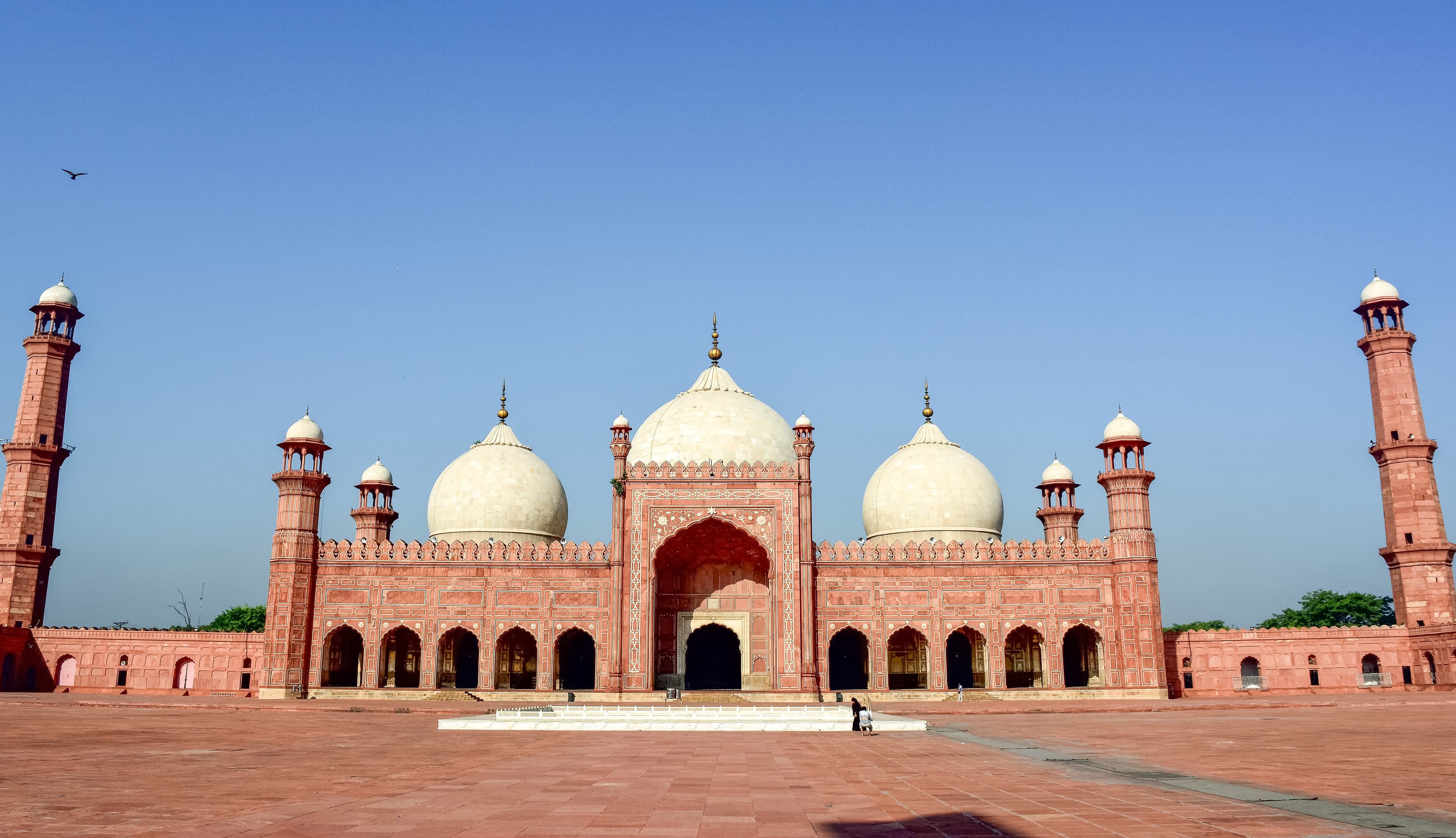
Badshahi Mosque
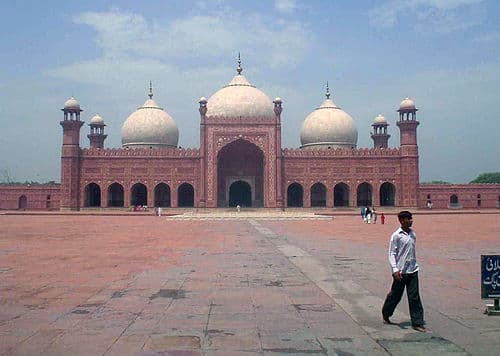
One of the largest and most architecturally beautiful mosques in the world. Its striking red sandstone exterior and pristine white marble interior are truly spectacular. The mosque reflects the immense glory and power of Emperor Aurangzeb's historical era.
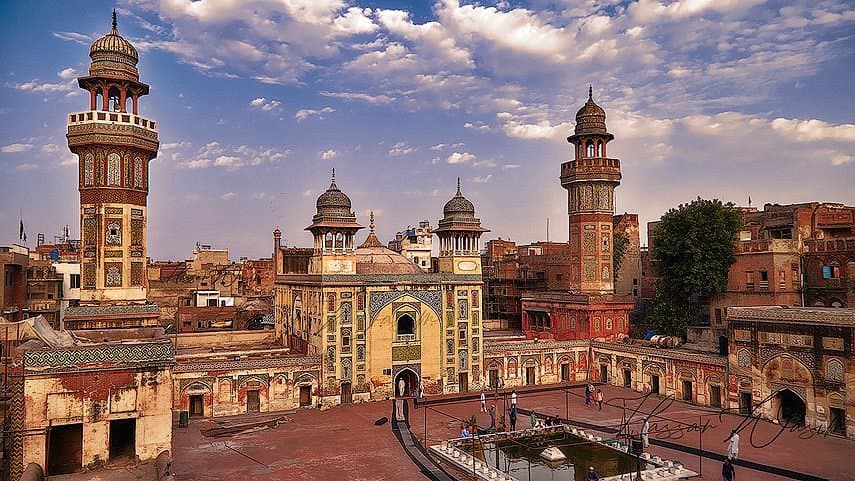
Wazir Khan Mosque
This beautiful mosque was built in the 17th century by Ilm-ud-Din Ansari (known as Wazir Khan), the Governor of Lahore under Emperor Shah Jahan. Located on the Royal Route (Shahi Guzargah), it is famous for its intricate Kashi Kari (tile work) and delicate Fresco Paintings. Its entrance includes a unique market area, historically known as the Calligrapher's Market.
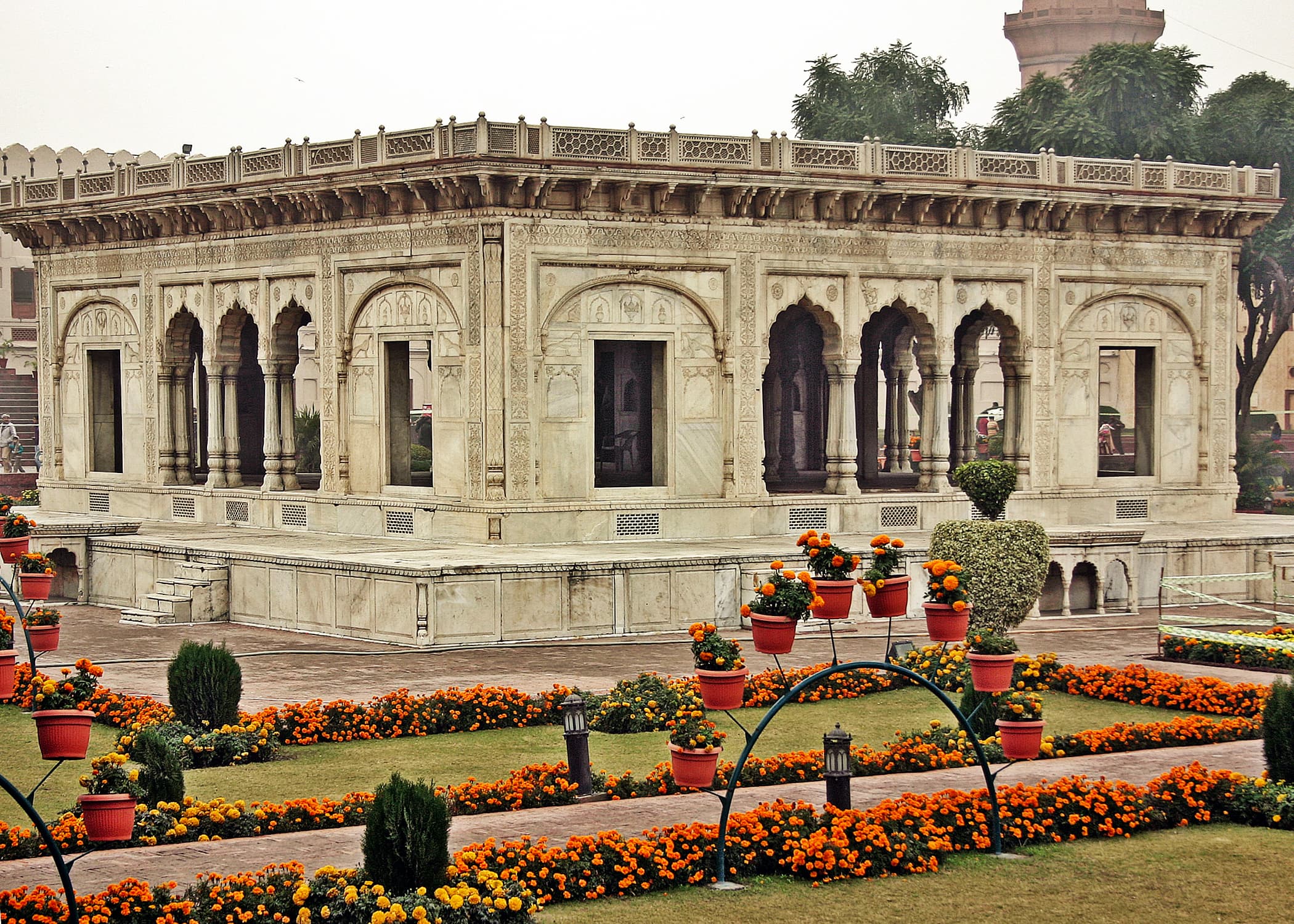
Hazuri Bagh & Baradari
Hazuri Bagh is a significant garden located between the Lahore Fort's Alamgiri Gate and the Badshahi Mosque. At its center stands a Bara Dari (Twelve-Door Pavilion), which was built by Maharaja Ranjit Singh using white marble from dismantled Mughal structures. The garden also holds the Tombs of Sir Allama Mohammad Iqbal (National Poet) and Sikandar Hayat Khan.
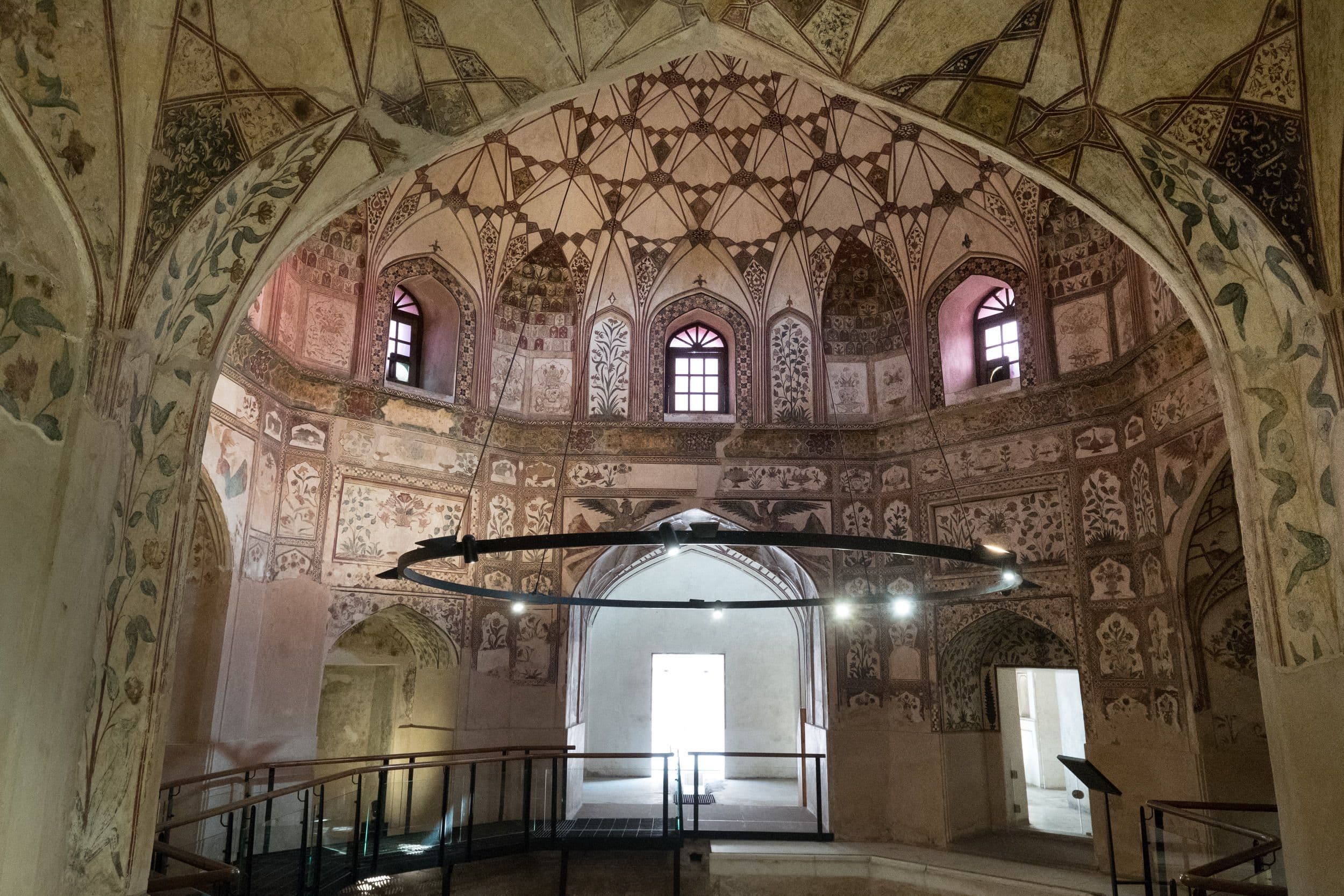
Shahi Hammam
This is a Mughal era public bathhouse, inspired by Turkish designs, also commissioned by Wazir Khan near the Delhi Gate. It provided comprehensive services, including hot, warm, and cold water sections, a sauna, and separate areas for men and women. After being restored in 2013, its beautiful frescoes and hidden water channels were uncovered, making it a key historical site.
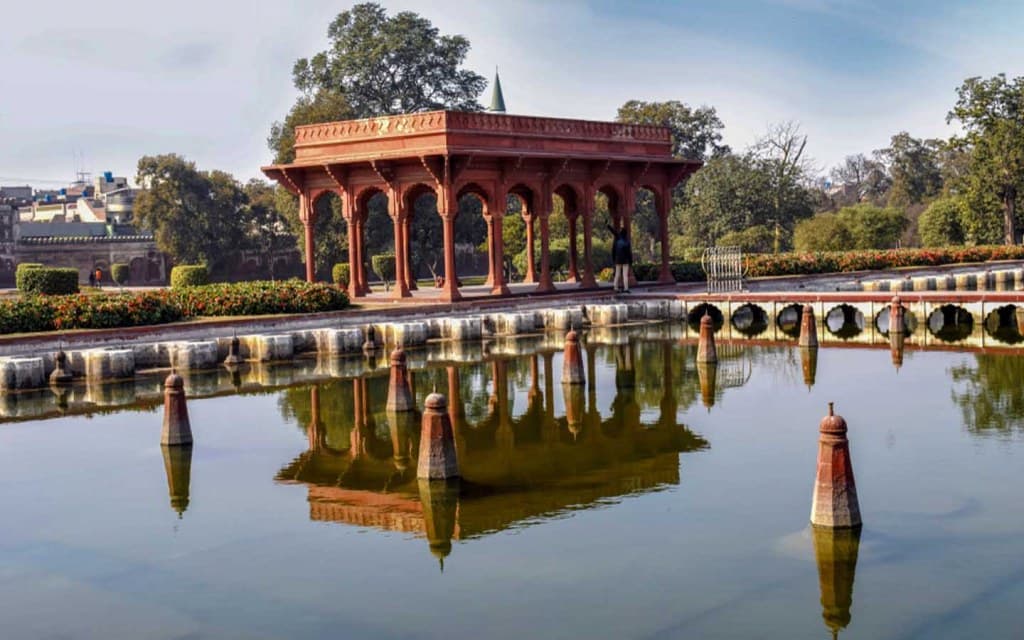
Shalimar Gardens
Referred to as Shah Jahan's "Heaven on Earth" for its meticulous design. The gardens feature stunning water terraces, numerous fountains, and elegant pavilions. They perfectly embody the symmetry and planning characteristic of Mughal landscape design.
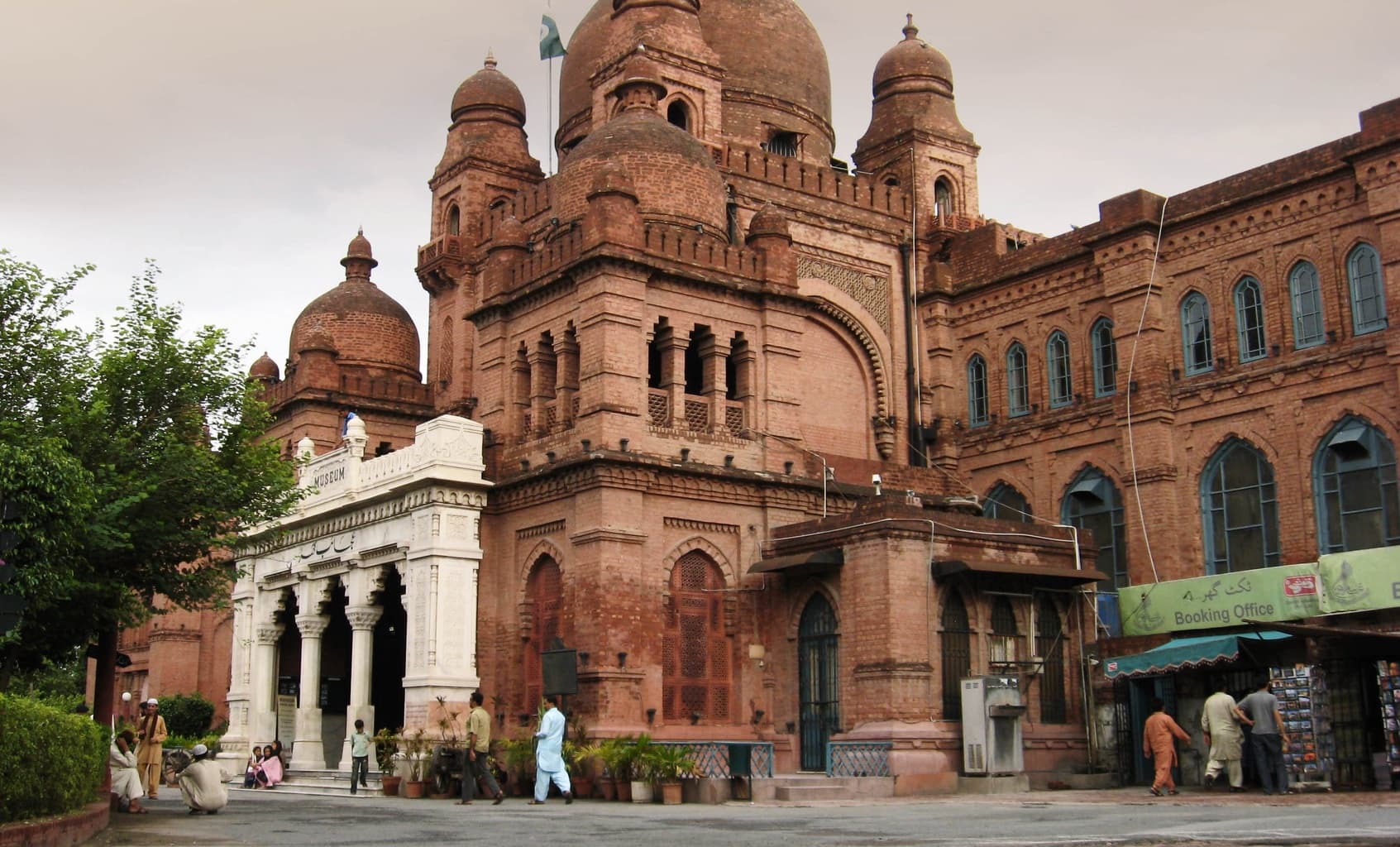
Lahore Museum
A true treasure house preserving rare artifacts from across many eras of history. Its collection spans the Gandhara, Mughal, Sikh, and British periods. It is an essential stop for anyone interested in the cultural heritage of the region.
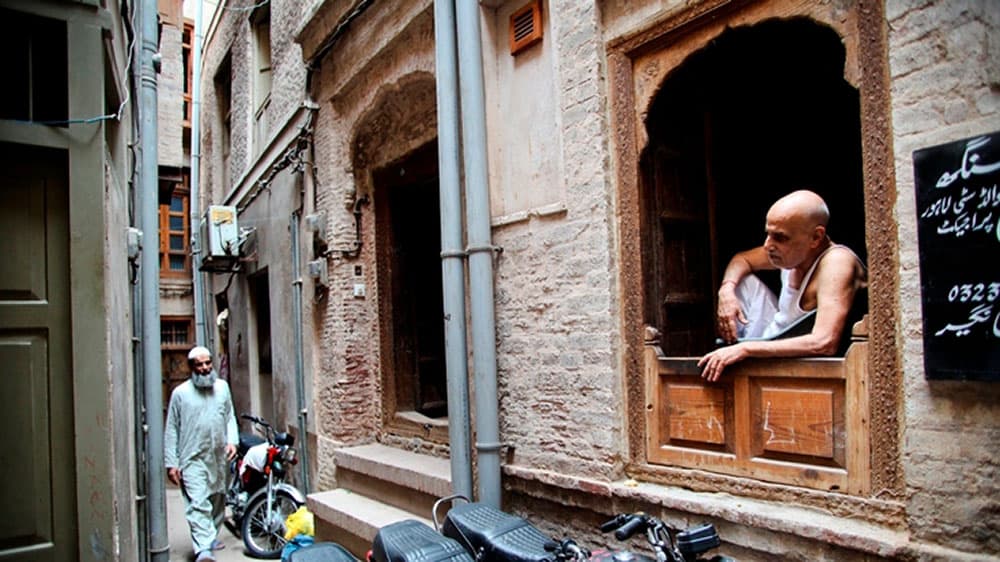
Gali Surjan Singh
A meticulously restored historic street nestled deep within old Lahore. It is filled with tangible heritage, vibrant culture, and charming architecture. This alley offers a uniquely beautiful setting perfect for photography and exploration.
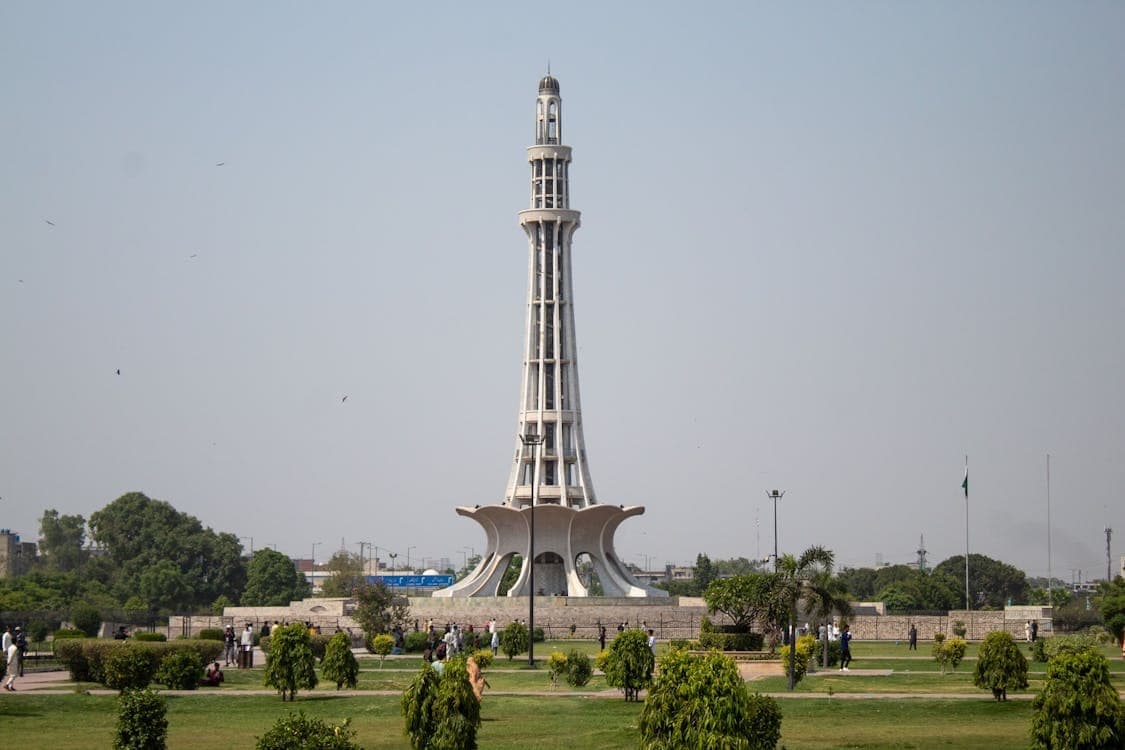
Minar-e-Pakistan
The towering place where the landmark Pakistan Resolution was formally passed in 1940. This monument is an unmistakable and powerful symbol of the nation's identity and birth. It is a crucial site of historical and patriotic significance for the country.
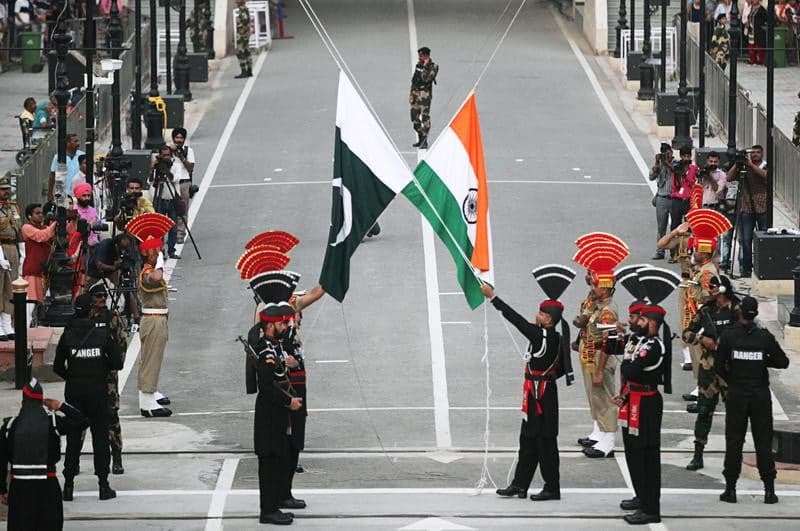
Wahga Border Ceremony
A thrilling and popular daily flag lowering military ceremony between Pakistan and India. The event is a highly energetic spectacle, generating intense national pride and patriotism. It is an unmissable cultural and theatrical experience for visitors to Lahore.
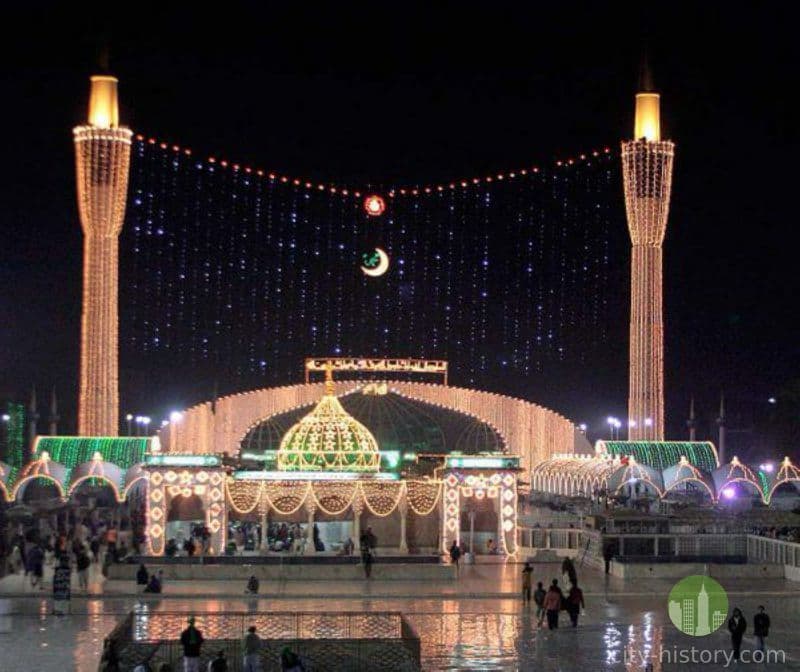
Data Darbar
One of the most important and largest Sufi shrines found across all of South Asia. It is a spiritual center rich with deep historical and cultural significance. The shrine draws millions of pilgrims and followers seeking blessings and peace.
Some Other Historical and Heritage Sites in Lahore:
Hazuri Bagh
Naulakha Pavilion
Lahore Fort Gates
Delhi Gate
Roshnai Gate
Bhatti Gate
Mochi Gate
Taxali Gate
Gulabi Bagh Gateway
Chauburji
Tomb of Allama Iqbal
Masjid Wazir Khan
More About Lahore City
With a history spanning perhaps 3,000 to 3,500 years, Lahore is much more than a city; it is a narrator of history. This resilient metropolis has survived the rise and fall of countless empires, conflicts, and natural disasters, yet it always stands tall, emerging stronger than before.
Present-day Lahore is proud of its lively streets, fantastic architecture, echoing food streets, and vibrant, loving people, known locally as "Zinda Dilan e Lahore" (Lahore with Lively Hearts). Every door and alleyway tells a story of endurance, evolution, and timeless charm.
History Of Lahore
Lahore is an ancient city, often called the "City of Gardens," with a history stretching back over a thousand years. It became truly magnificent under the Mughal emperors, who built stunning palaces and mosques like the Lahore Fort and Badshahi Mosque, making it an imperial cultural center. It also served as the capital during the Sikh era. Critically, Lahore is the symbolic birthplace of modern Pakistan, where the resolution for an independent nation was passed, blending its deep historical roots with its modern status as the country's vibrant, beating heart.
A Brief History of the Walled City of Lahore
According to ancient Hindu mythology, the Walled City of Lahore was founded by Lav (Loh), one of the twin sons of the Hindu god Ram. It is said that Lav established Lavapuri (the present-day Walled City of Lahore), while his brother Kusha founded the nearby city of Kasur. However, this origin story is widely considered a myth, as concrete historical evidence only dates back to the 11th century when Mahmood Ghaznavi became victorious and established Muslim rule in the region.
The Walled City, with its ancient gates, narrow alleys, and historic structures, has been the heart of Lahore for centuries. Its fortifications, originally built for defense, now serve as a living testament to the city's rich and complex history, attracting historians, archaeologists, and tourists from around the world.
Other Historical Names of Lahore City
Throughout its long history, Lahore has been known by various names. Some of the historical names associated with the city include:
Mehmood Puri
Lohpur
Lavapuri
Lohawar
Lohkot
Lavakot
Lavapur
Rulers and Dynasties That Ruled Over the Lahore City
%201-district.jpg&w=3840&q=75)
Lahore has been ruled by numerous powerful dynasties and empires throughout its history. The Hindu Shahis were among the earliest known rulers, with Raja Jayapal being defeated by Mahmud Ghaznavi in 1021, marking the beginning of Muslim rule in the region.
The city experienced a golden era under Malik Ahmed Ayyaz, but Ghazni rule was eventually overthrown by Shahabuddin Ghori. This was followed by a succession of Muslim dynasties that shaped Lahore's destiny.
The Sultans under Qutubuddin Albak established their presence, followed by the Turco-Afghan Dynasty under Jalaludin Firoz Khilji. The Tughlaq Dynasty, led by Ghiyasudin Tughlaq, and the Sadaat under Khizer Khan, also left their mark. The Lodhi Dynasty, with Ibrahim Lodhi at the helm, preceded the arrival of the Mughals.
13 Gates of the Walled City of Lahore
The historic Walled City was once fortified by 13 grand gates, commissioned by the Mughals, each serving as a key entry point. Many still stand today, including:
Delhi Gate
Bhatti Gate
Lohari Gate or Lahori Gate
Mori Gate
Sheranwala Gate
Taxali Gate
Roshnai Gate
Mochi Gate
Shah Alam Gate
Akbari Gate
Masti Gate
Kashmiri Gate
Yakki Gate
The Colorful Bazaars of Lahore City
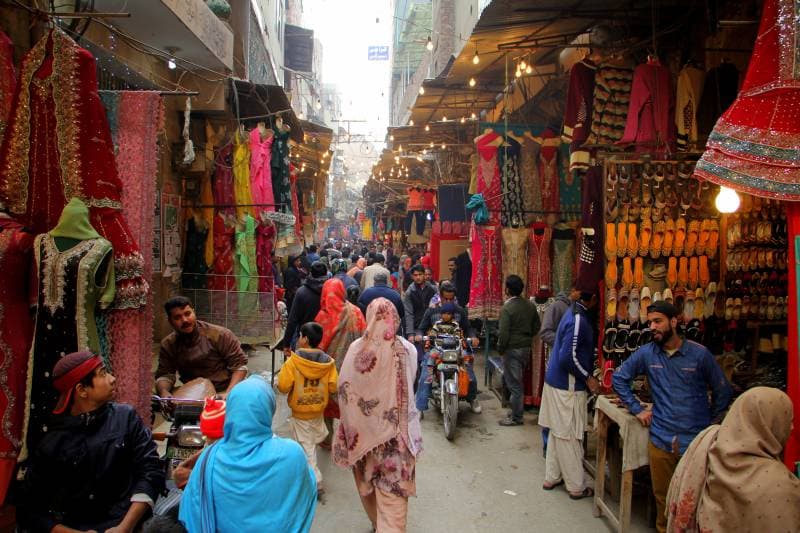
Lahore boasts some of the most vibrant and bustling bazaars in Pakistan. Exploring these markets is the best way to witness the city's true life and culture. They feature everything from traditional jewelry and handicrafts to aromatic spices and appealing food stalls.
Famous markets include: Anarkali Bazaar, Ichhra Bazaar, Shah Alami Market, Rang Mahal Bazaar, and Liberty Market. For a true Lahori experience, you can take a colorful Rangeela Rickshaw Tour through these busy streets!
Guided Lahore Tour Packages / Lahore City Tour
Old Lahore Historical Tour | Lahore City Tour
British Colonial Architecture Lahore City Tour | Lahore City Tour
Mughal History Lahore City Tour | Lahore City Tour
Sufi Heritage Lahore City Tour | Lahore City Tour
Lahore Street Food Tour | Lahore City Tour
Androon Lahore Food Tour | Lahore City Tour
Lahore Rickshaw Tour | Lahore City Tour
Lahore Rangeela Rickshaw Tour | Lahore City Tour
Lahore City Bus Tour | Lahore City Tour
Walking Lahore City Tour | Lahore City Tour
Frequently Asked Questions
Ready for an unforgettable tour!